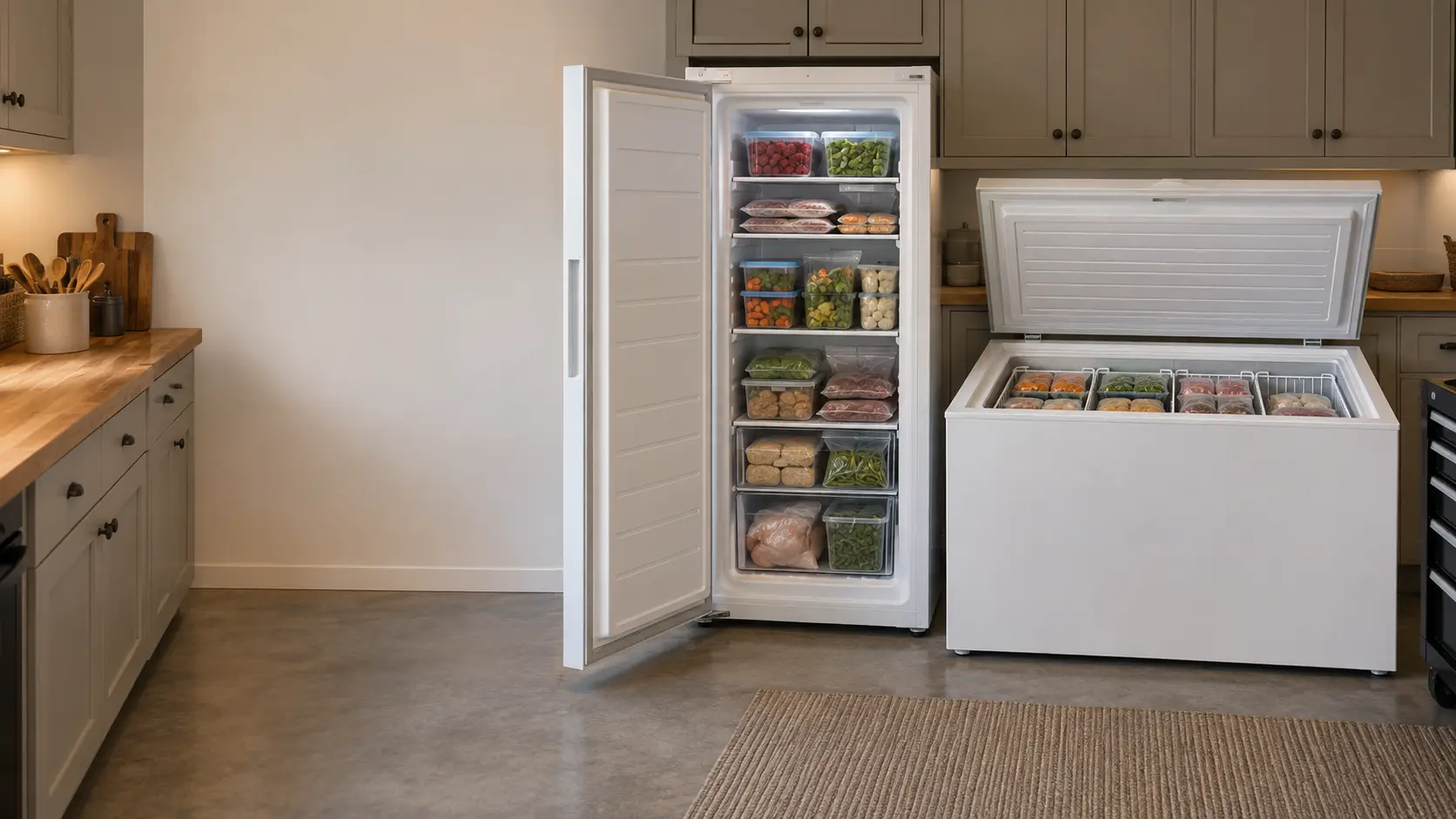
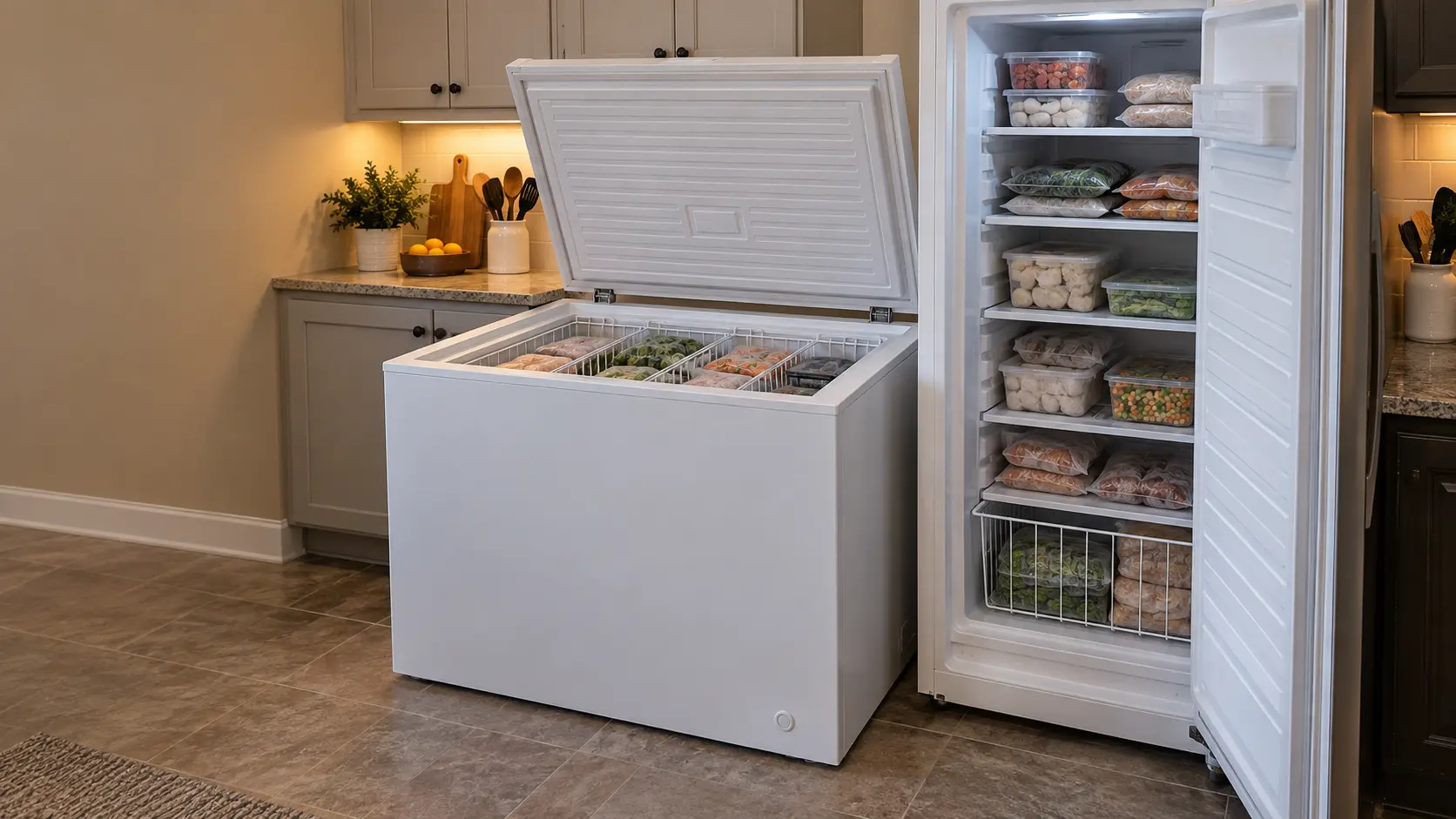

Deciding which freezer to keep or buy
Choosing and comparing
guides.
Chest or upright, whether a tired freezer deserves a repair or a replacement, and what a garage-ready model does differently before one goes into a hot or cold garage.
Mon–Sat, 8am–8pm
- Three guides
- Read before you book
- Says where to stop
Book a visit
Three short steps, about a minute.
or call (844) 456-4651
Loading appointment form…
The appointment form couldn’t load. Please try again.
Choosing and comparing,
guide by guide.
Buying a freezer is usually a quick decision made in a store aisle, and living with it lasts a decade or more. This section slows that decision down: chest or upright, frost-free or manual defrost, a model rated for a garage or one that belongs indoors, and, when an old one quits, whether it deserves a repair at all.
All 18 guides
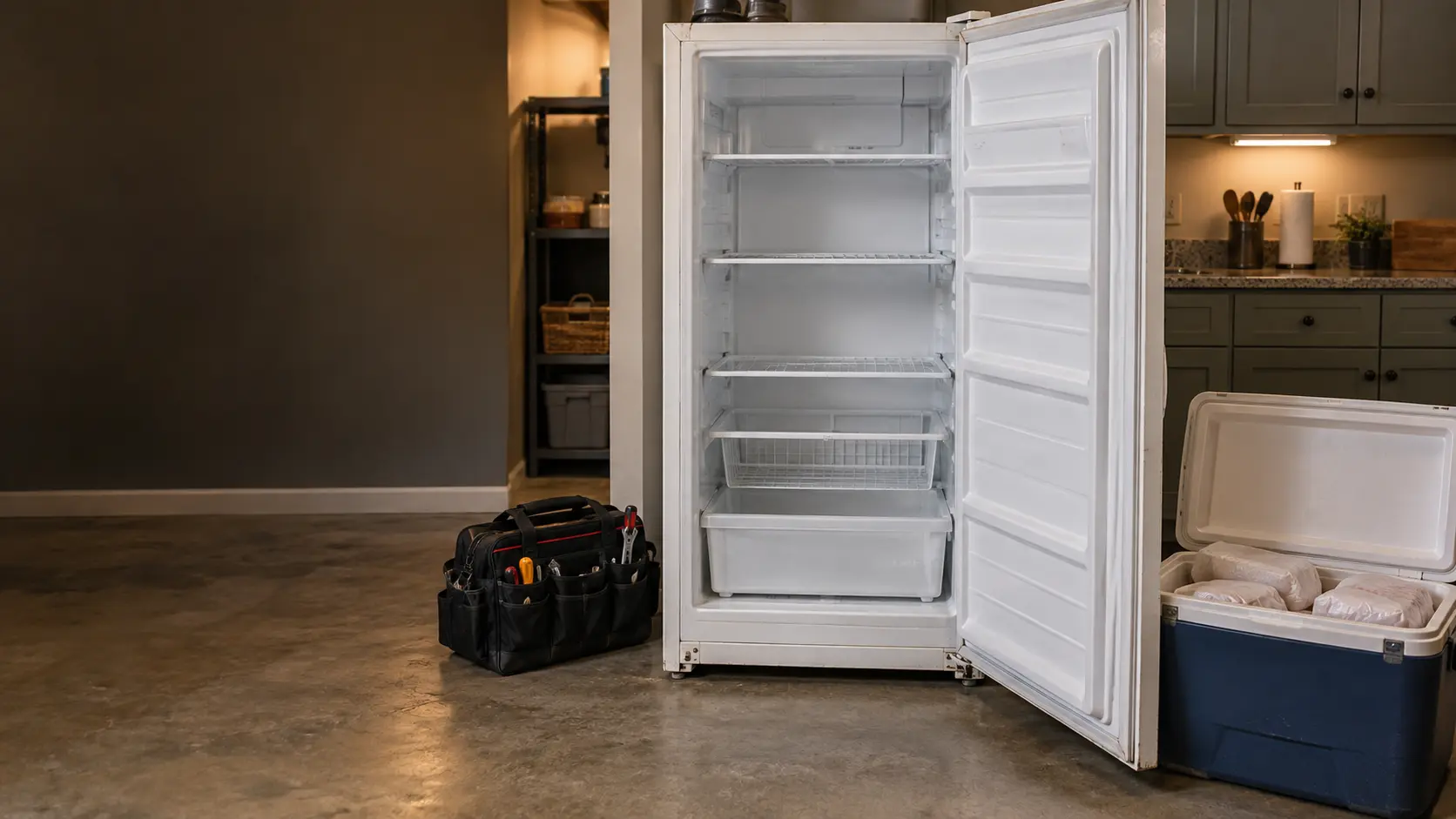
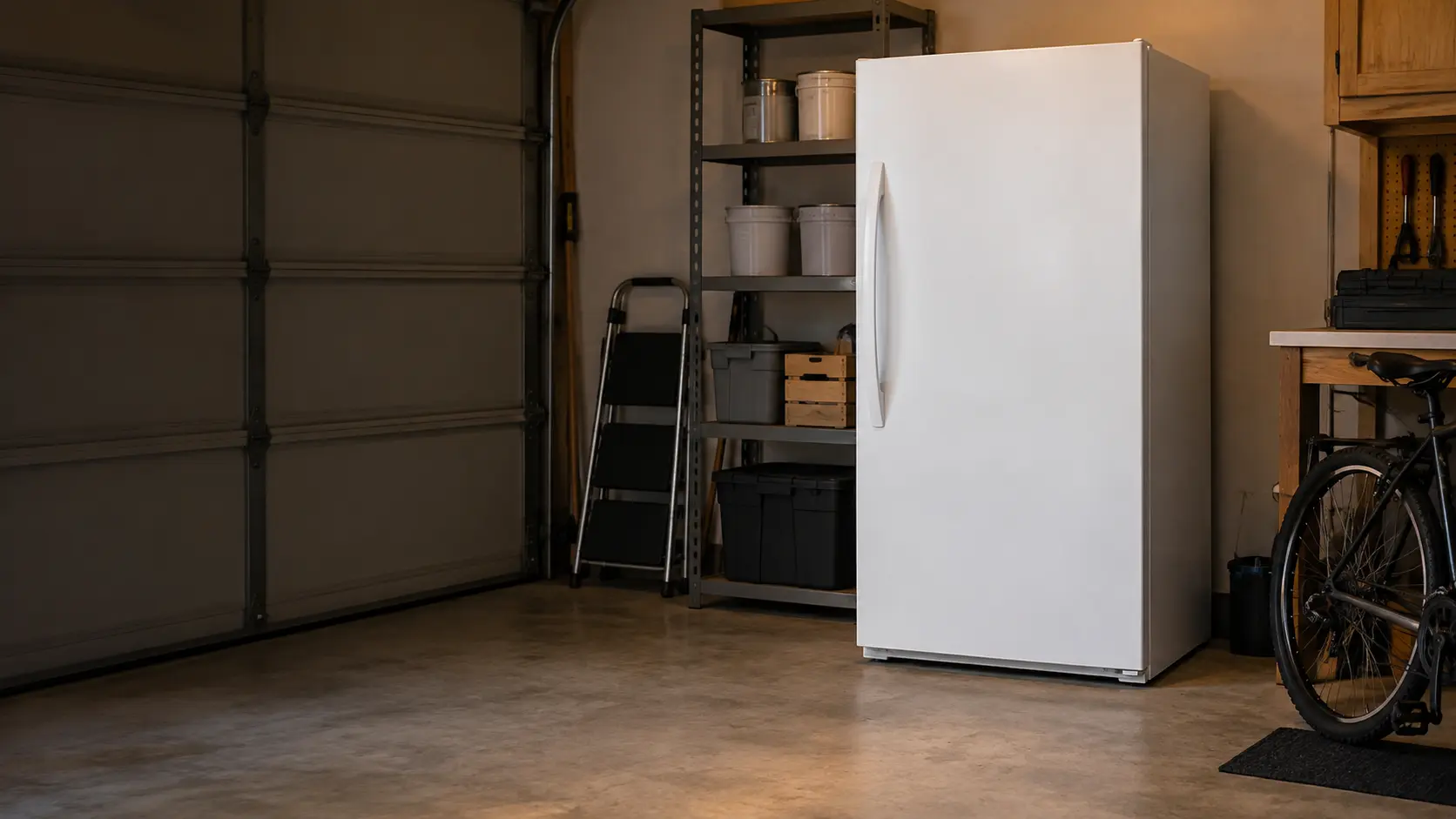
Deciding which freezer to keep or buy.
It is written for owners rather than shoppers comparing brands. Each guide weighs the designs against each other across every maker, using the energy figures ENERGY STAR publishes and the construction details the manufacturers describe in their own support pages, and it says plainly where a number is our own experience instead.
Because we repair these machines, the guides also look ahead to the day something wears out: which designs can be opened up and fixed, which ones hide their tubing inside foamed walls, and why a built-in freezer column follows different rules from a chest in the basement.
What ties these three guides together is the room and the years ahead rather than the showroom. A reader weighing floor space against a narrow basement stairway should start with the chest or upright comparison. Anyone planning to park the freezer beside the car belongs in the garage ready guide, since a unit meant for heated rooms can stop cooling in a cold snap. An owner staring at a dead unit should open the guide that weighs repairing against replacing. Before deciding, measure the doorway, the stairs and the spot itself, and check which outlet it will use.
Not sure where to start?The short answerChest or upright freezer: choosing by the space, the power bill and the defrost
In the chest vs upright freezer choice, the chest usually wins on energy and holding power because its lid keeps cold air in, while the upright wins on reach, shelves and floor space.
The short answerRepair or replace a freezer: let the failed part decide
Whether to repair or replace a freezer depends on three things: which part failed, how old the cabinet is, and what kind of freezer it is.
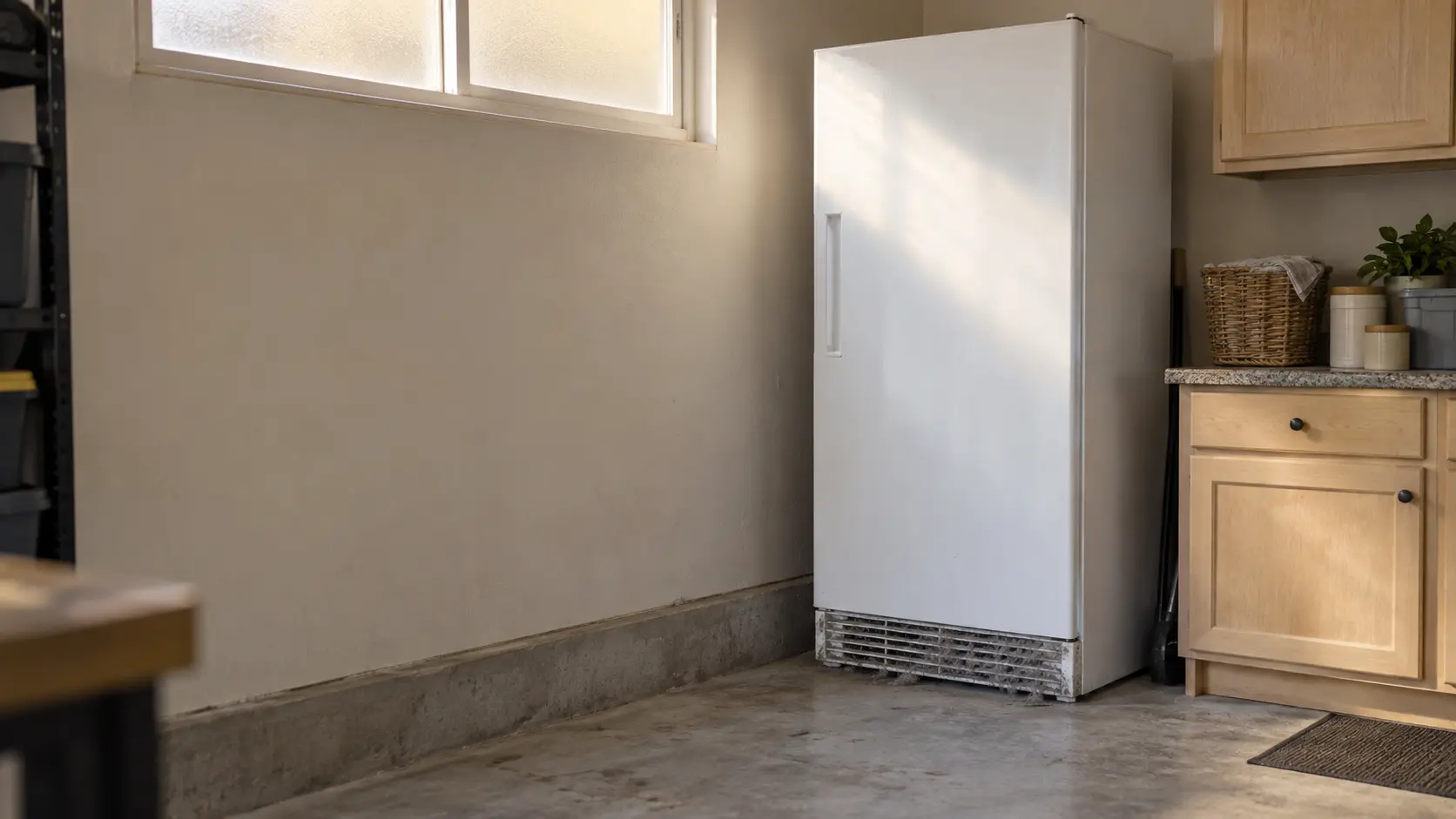
The short answerGarage ready freezers explained: what the 0°F to 110°F rating covers
A garage ready freezer is built to keep food frozen while the room around it runs anywhere from about 0°F to 110°F, the span Whirlpool and Maytag both quote.
When reading
is not enough.
If the checks in these guides did not settle it, the visit picks up from there, stop by stop.
What repairs cost- 01Temperatures read before any part is named
- 02A figure before the work begins
- 03The common freezer parts in the van
- 04Brought back down to 0 degrees
The problems
these answer.
Each has a page of its own, with the causes in the order worth checking.
All 17 problems

Questions about
choosing and comparing.
Which kind of freezer uses the least electricity?
Do these guides recommend particular brands?
Where should I start if my freezer has already stopped?
When do built-in columns or undercounter drawers beat a chest?
The other
sections.
Split by what you are trying to find out rather than by which part of the appliance it concerns.
All guides
Back to your everyday
Let’s get your freezer working again.
Three short steps online, or one call. Tell us what you are seeing and pick a window that works.