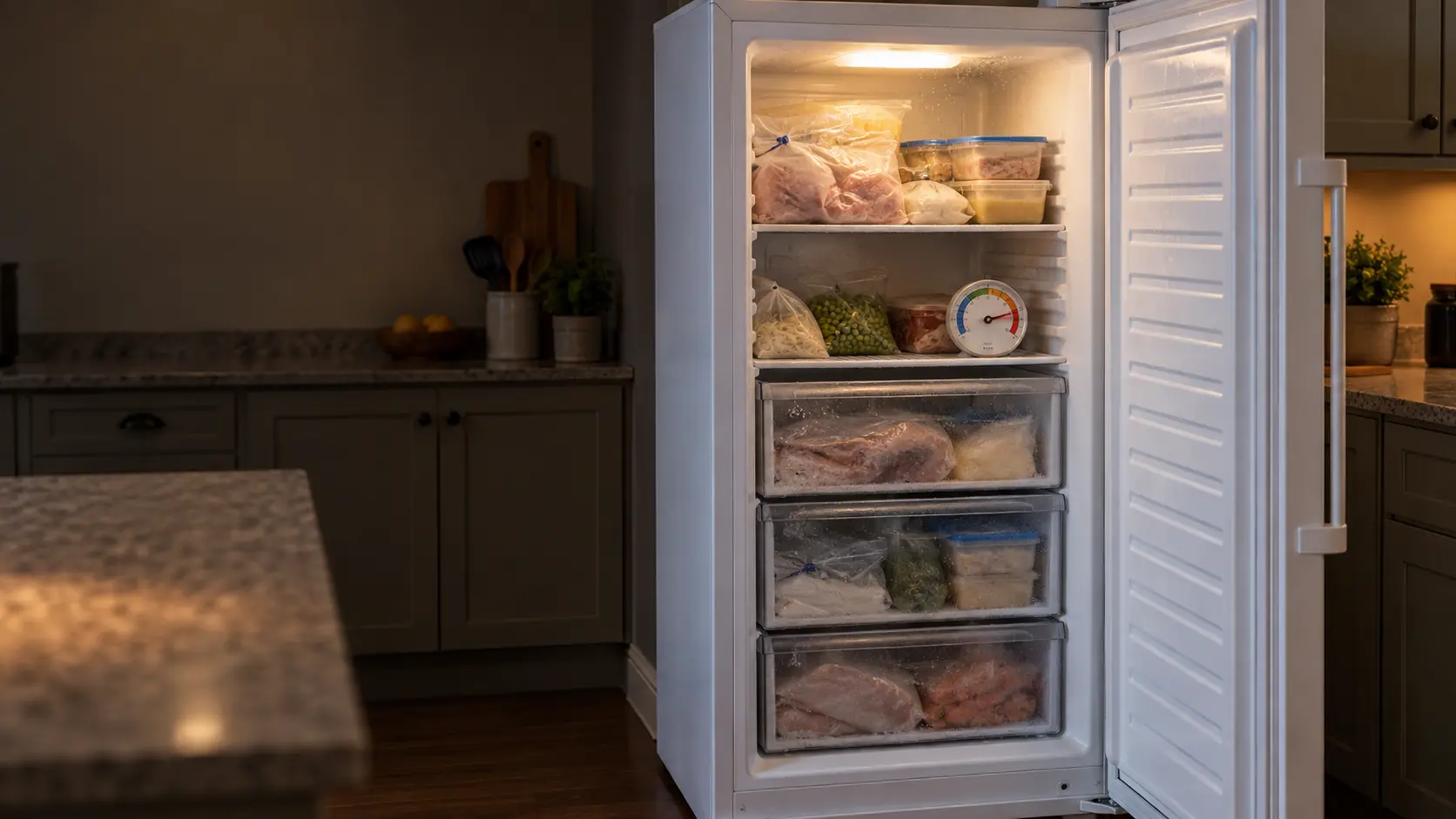

Why the freezer is doing that
Common problems
guides.
What your freezer is telling you when the food softens, frost creeps across the walls, or the compressor hums on for hours without a pause.
Mon–Sat, 8am–8pm
- Three guides
- Read before you book
- Says where to stop
Book a visit
Three short steps, about a minute.
or call (844) 456-4651
Loading appointment form…
The appointment form couldn’t load. Please try again.
Common problems,
guide by guide.
These guides begin with what an owner actually notices on a standalone freezer: ice cream gone soft, a compressor that hums from morning to night, a white crust spreading over the walls. Each one explains what that behavior usually means on an upright, a chest, a built-in column or a set of undercounter drawers, and which explanation deserves a look first.
All 18 guides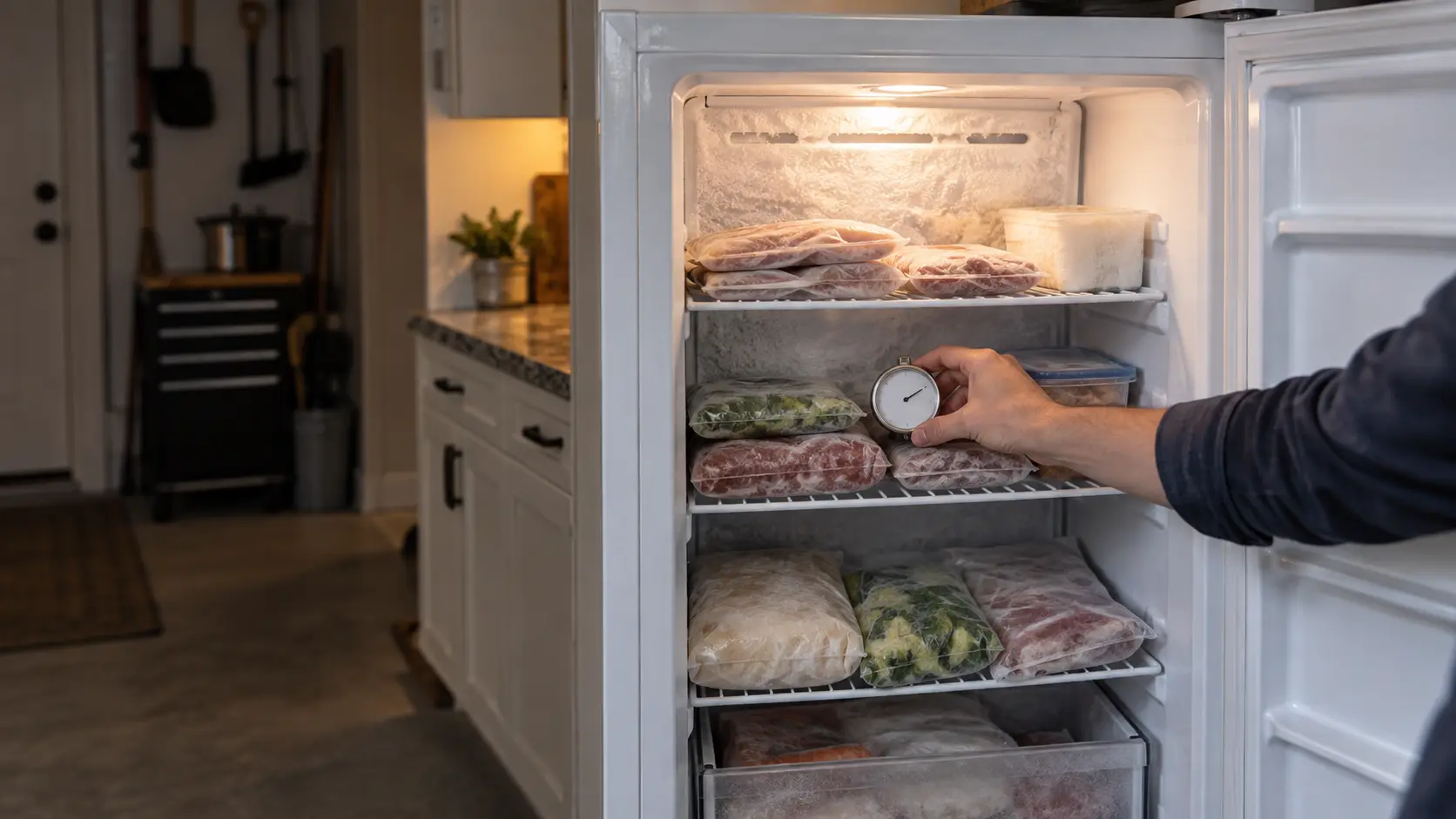
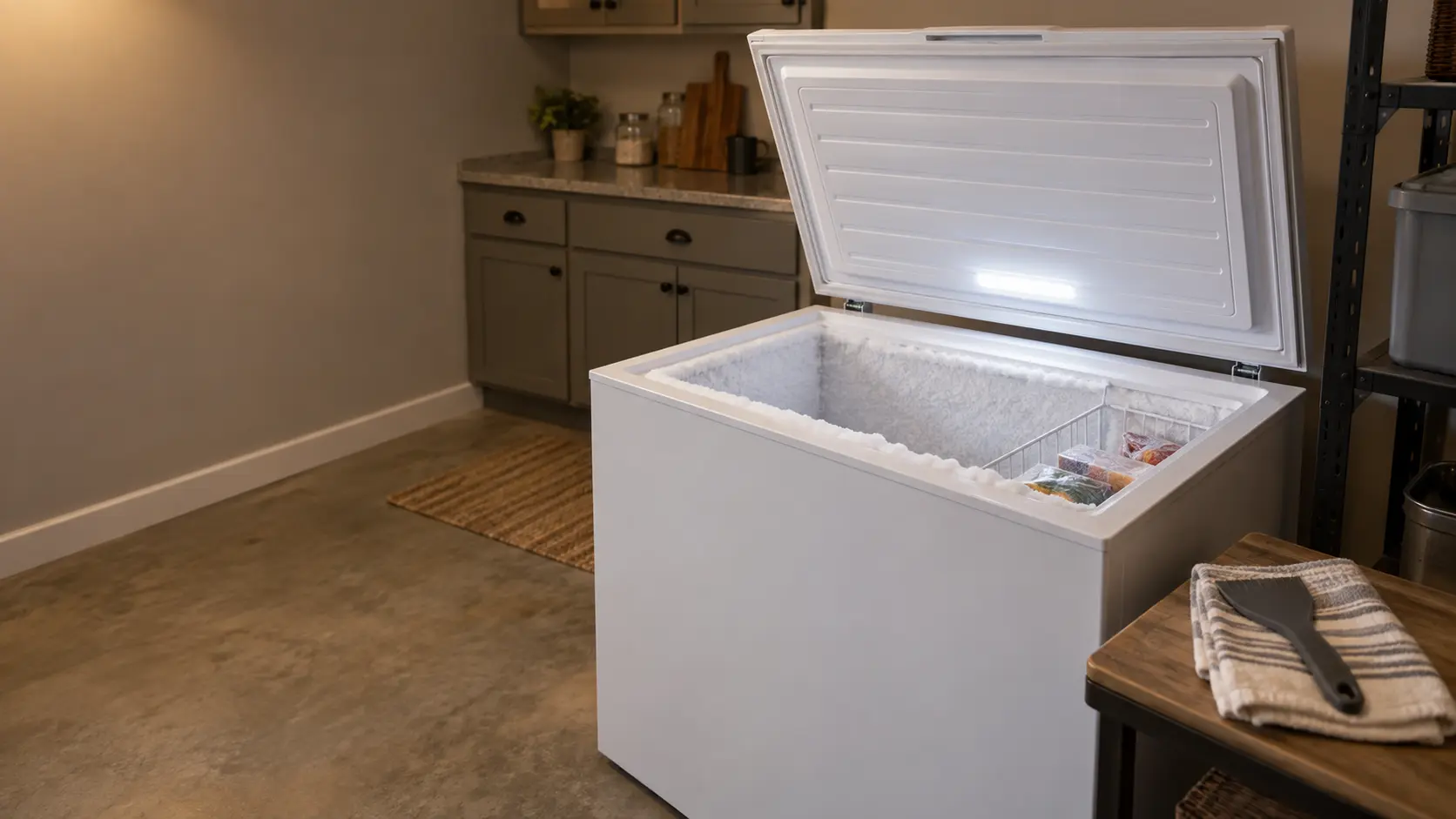
Why the freezer is doing that.
The order inside every guide runs from the causes that cost nothing, such as a package propping the door, a dial turned to Off or a freezer boxed in by storage, toward the ones that need a visit. Temperatures are given in °F and tied to the figures FDA, ENERGY STAR and the makers' own manuals publish, so a reading on a thermometer can be compared with something firm.
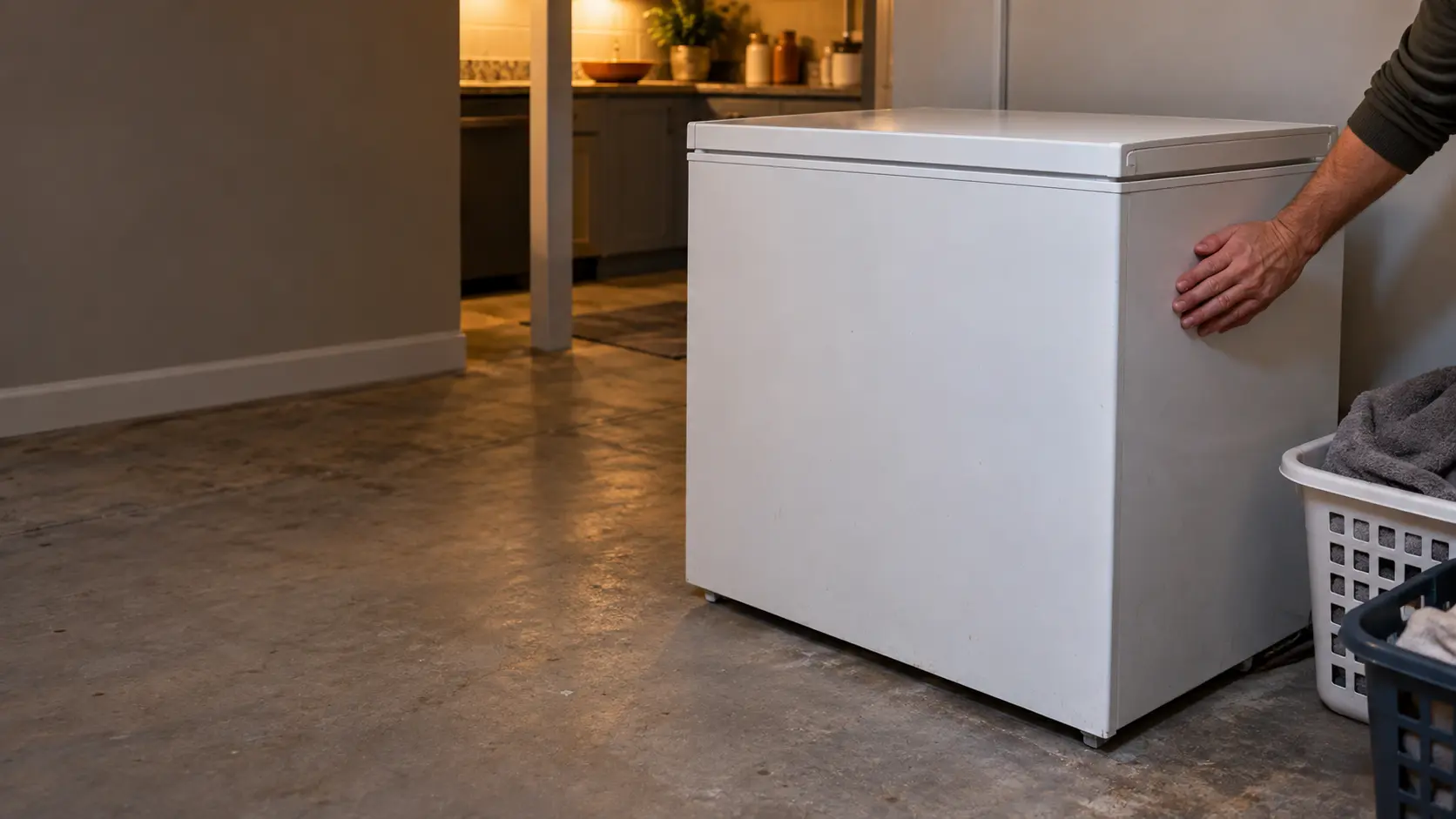
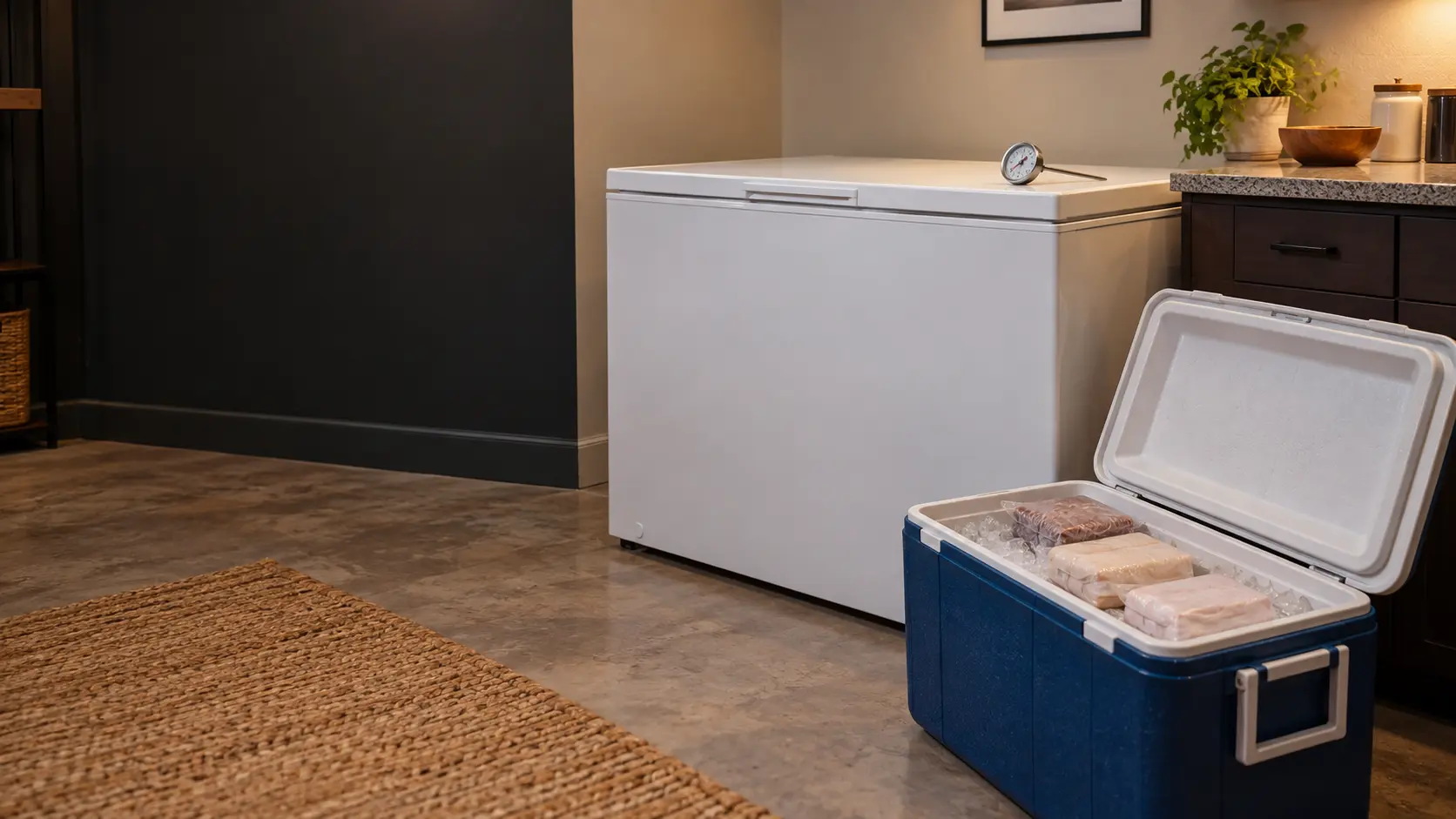
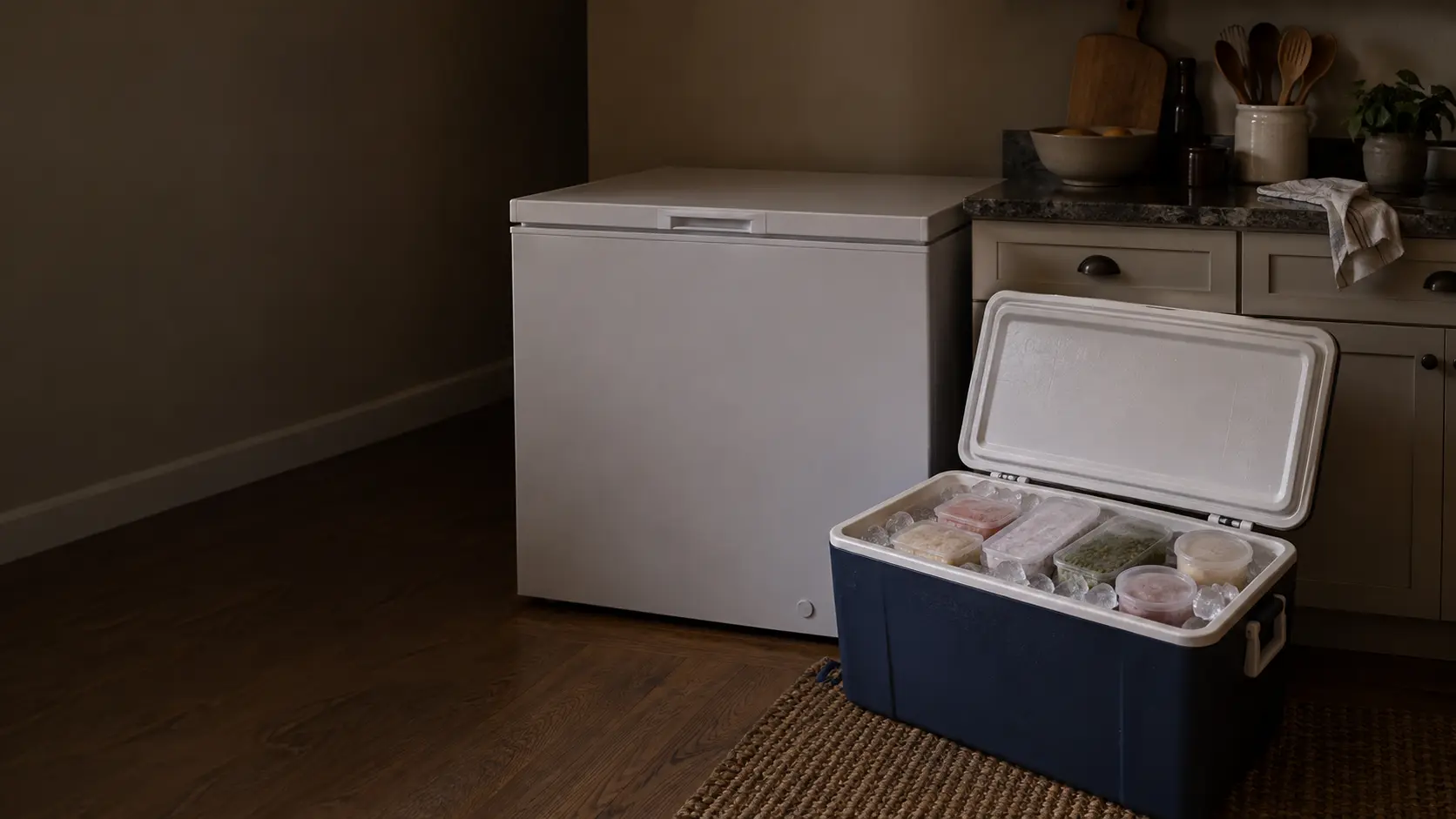
Read one of these when the freezer is behaving oddly but the food is still frozen. If packages are already soft and the thermometer is climbing, move the food first and use the food safety section; the diagnosis can wait an hour, and a freezer that sits for a week in a hot garage often ends up in the repair or replace decision.
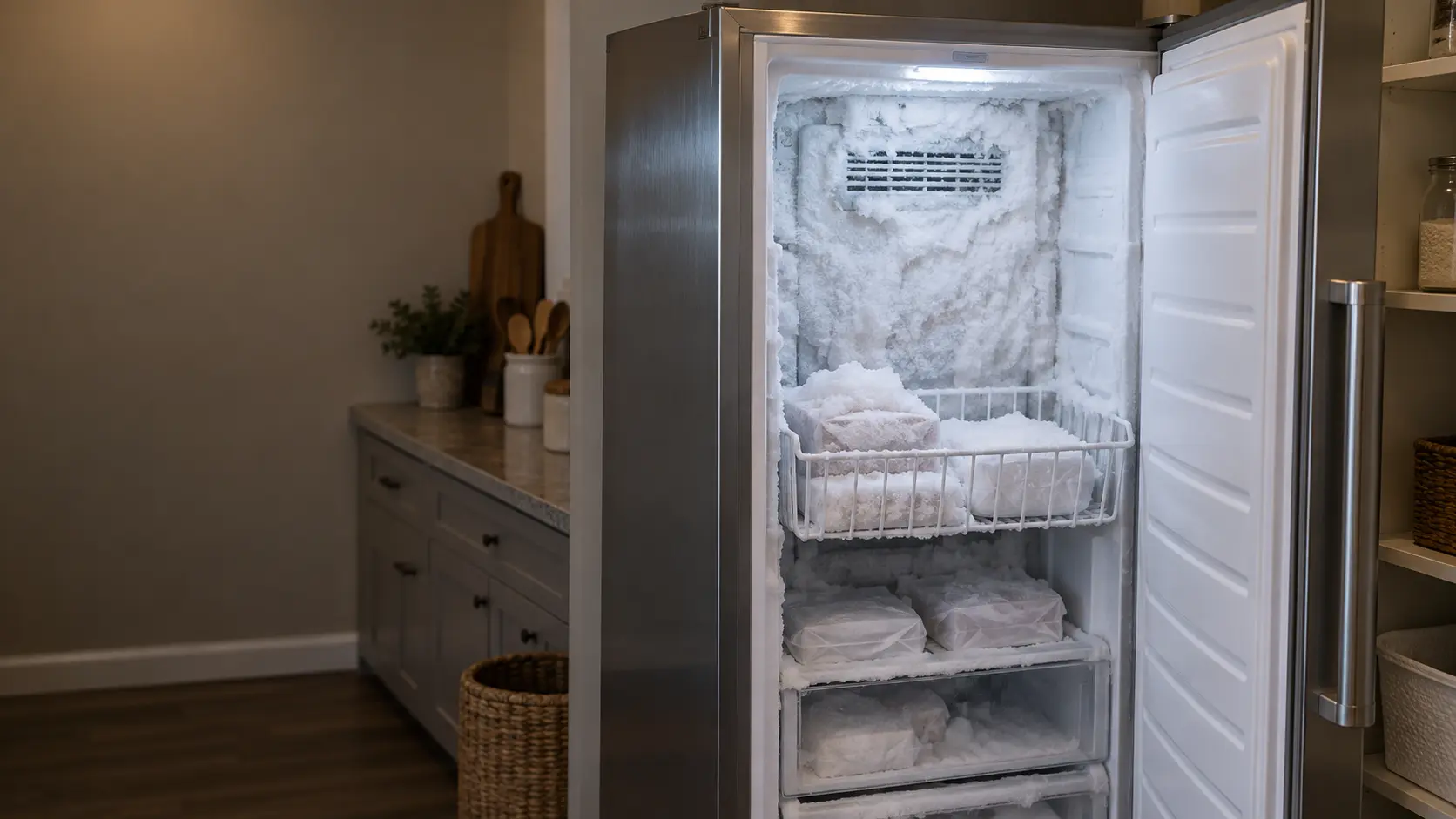
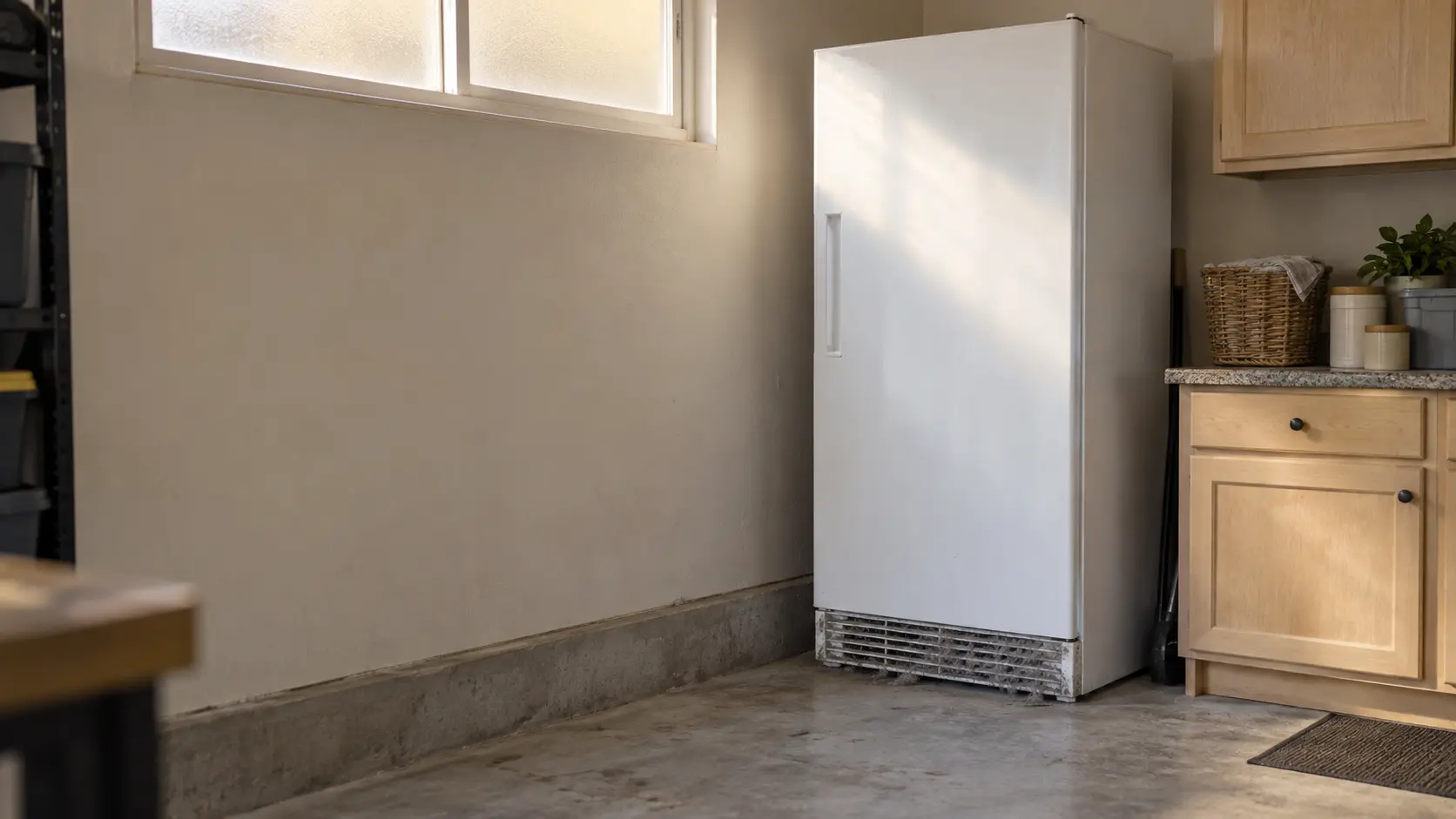
All three guides here share one habit: they ask the reader to watch the freezer for a day before touching anything. If packages feel soft while the compressor stays silent, open the guide on a freezer that stopped freezing. If it never seems to rest, the long-running guide separates a heavy load from a worn part. White buildup belongs to the frost guide, where the spot the ice gathers, near the lid, along the rear liner or around a drawer track, points toward its source. Jot down the model, the room temperature and your latest thermometer reading.
Not sure where to start?The short answerWhy the freezer stopped freezing: sounds, frost and a thermometer
When a freezer stopped freezing, start with what it is still doing.
The short answerWhy a freezer runs all the time, and when it is only working hard
A freezer runs all the time for a few ordinary reasons: a fresh load of unfrozen food, a hot room, a new start-up or a door opened often.
The short answerWhy frost builds up in a freezer, and what its pattern says
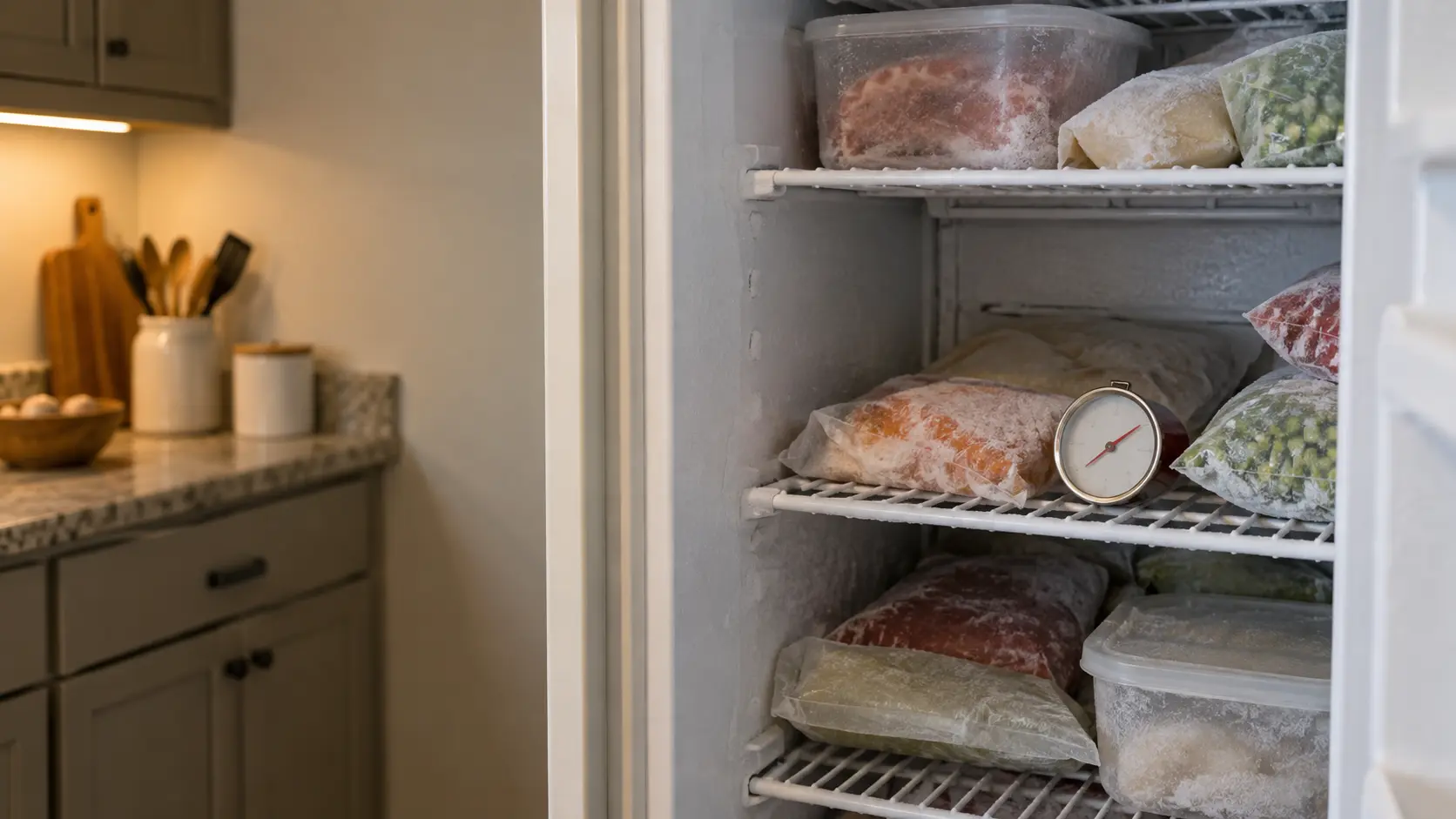
Frost builds up in a freezer when moist room air gets in and freezes on the walls, the lid or the coil.
When reading
is not enough.
If the checks in these guides did not settle it, the visit picks up from there, stop by stop.
What repairs cost- 01Temperatures read before any part is named
- 02A figure before the work begins
- 03The common freezer parts in the van
- 04Brought back down to 0 degrees
The problems
these answer.
Each has a page of its own, with the causes in the order worth checking.
All 17 problems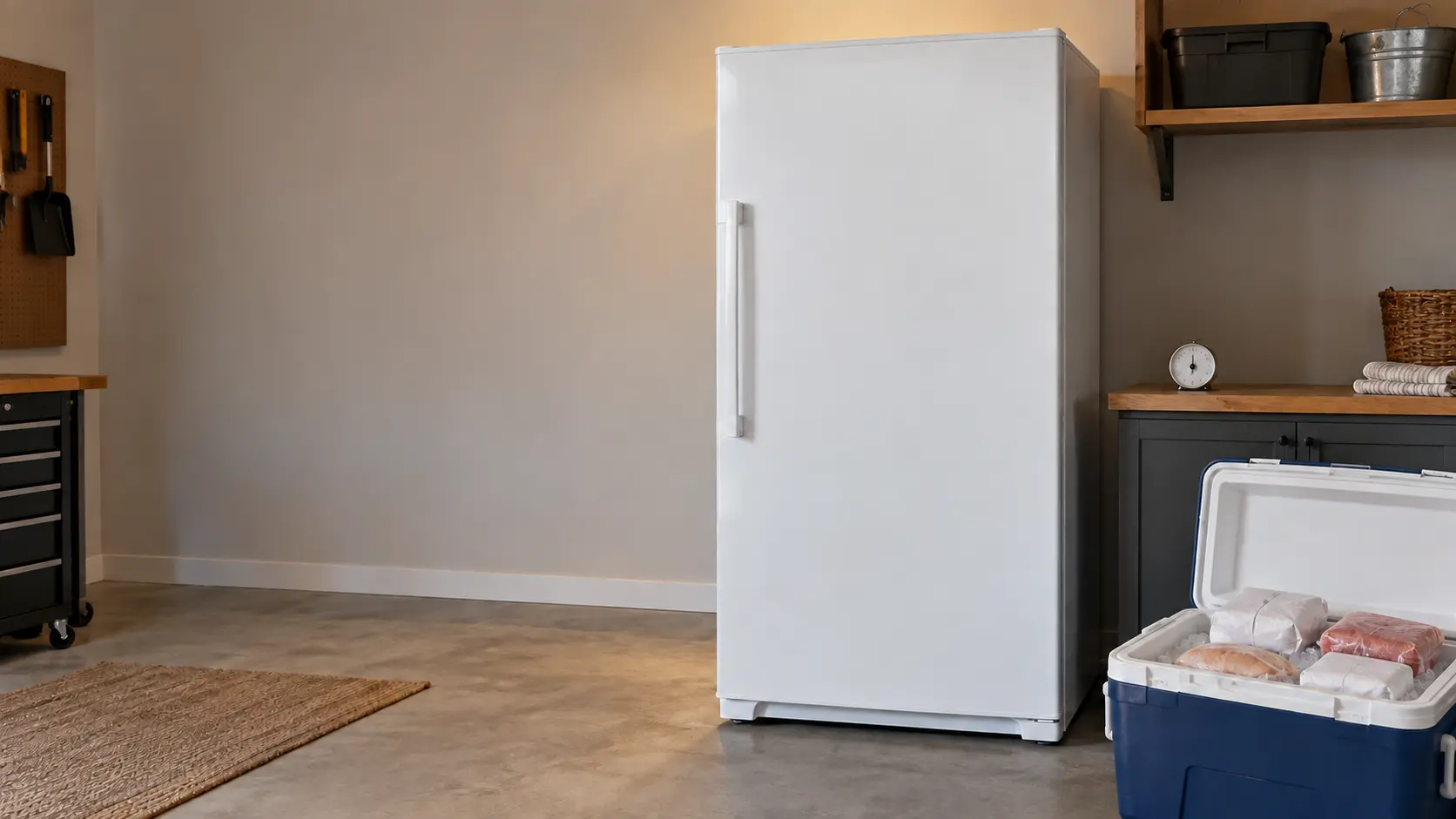

Questions about
common problems.
Which of these three problems is most often something an owner can settle alone?
Does it matter whether my freezer is frost-free when reading these?
Do these apply to the freezer drawer of my kitchen's two-door unit?
Which notes help most before calling about one of these symptoms?
The other
sections.
Split by what you are trying to find out rather than by which part of the appliance it concerns.
All guides
Back to your everyday
Let’s get your freezer working again.
Three short steps online, or one call. Tell us what you are seeing and pick a window that works.